Make-up
Bridal make-up: what to do six weeks, one week, and one day before the wedding
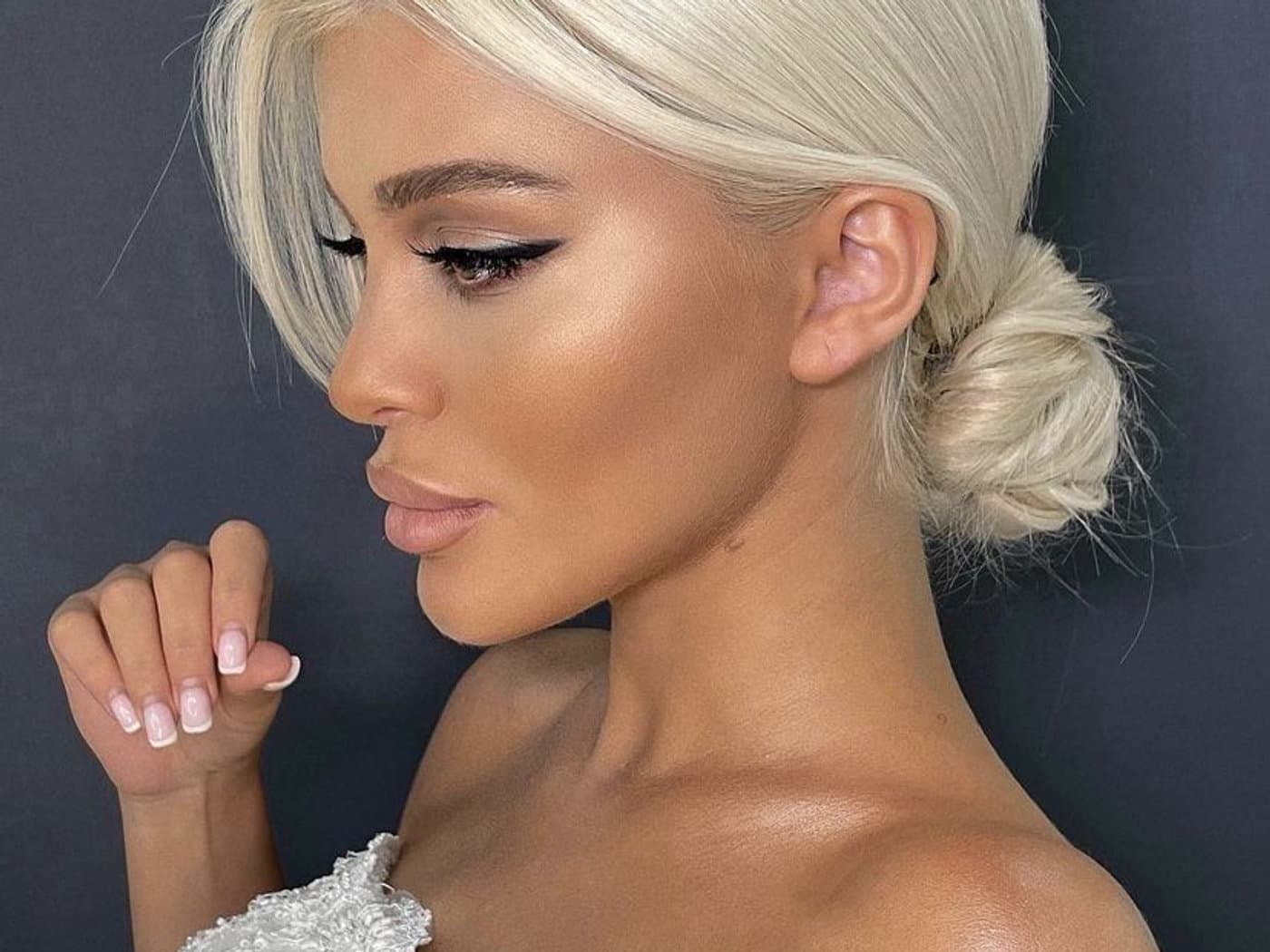
The most beautiful wedding make-up starts long before the wedding morning. Here's a timeline to follow and the most common mistakes to avoid.
Linda Borovková· 25/07/2026· 4 min read
Most things that go wrong with wedding make-up don't go wrong on the wedding day itself. They go wrong in the last week, when the bride tries a new cream, has her brows done the day before, or skips a make-up trial because 'she already knows what suits her'.
Here's a timeline to prevent that.
6–8 weeks before the wedding
Choose your make-up artist and arrange a trial. During peak wedding season, dates get booked up in advance, so this isn't a step that can be postponed.
If you're planning permanent make-up or anything significant with your brows, now is the last reasonable moment. PMU heals over several weeks, and the result stabilises only after three to four weeks — with pigmentation a week before the wedding, you risk having your brows in their least flattering healing phase in photos.
4–6 weeks before the wedding
Make-up trial. This is the part brides most often skip and most often regret.
During the trial, you will:
- try out foundation shades on your skin, ideally in two different lights,
- adjust the intensity of eye and lip make-up — for photography, the boundary is different than for 'evening make-up',
- check longevity: after the trial, feel free to wear the make-up all day and write down in the evening what lasted and what didn't,
- reveal any potential reaction to a new product.
That last point is why we recommend a trial even to a bride who knows exactly what she wants. You don't want to discover redness or irritation from a new foundation on the morning of the ceremony.
For the trial, bring photos of results you like, and especially those you don't like. The second group is often more useful — it helps identify what to avoid.
Also bring the colour of your dress or a photo of it. It influences the choice of shades more than current trends.
2–3 weeks before the wedding
Last chance for a cosmetic skin treatment. Cleansing, peeling, and anything that might cause your skin to react should be done now, not later. Your skin needs time to settle.
Do not try new products. From this moment on, only use what you know.
1 week before the wedding
Brow lamination and tinting. Ideally five to seven days beforehand. The tint will settle by the wedding, and your brows will look well-groomed but not freshly done.
Lash extensions or lash lift. Three to five days beforehand. Not the day before — you need a buffer for the set to 'settle' and potential room for touch-ups.
Anyone who gets their lashes done the day before the wedding risks two things: irritation that won't calm down by morning, and a set that cannot be fixed on the wedding day.
1–2 days before the wedding
- Drink plenty. Dehydrated skin is significantly harder to apply make-up to.
- Nothing new on your skin. Not even a mask someone recommended.
- Leave your brows alone. Do not tweeze, pluck, or 'tidy up' anything.
- Prepare the lipstick you'll take for touch-ups throughout the day.
Wedding morning
- Arrive with clean skin, no make-up, and no cream. Foundation is applied to skin that the make-up artist will prepare herself.
- Allow two hours. Not one. Rushing is visible in the make-up, and stress carries over to the whole day.
- Plan make-up after hair, or agree on the order beforehand. Hair is harder to manipulate after make-up.
- Keep water and a small snack with you. Brides typically don't eat, and it shows.
Most common mistakes we see
- No trial. Saves a few thousand, but it's only worth it if you're deciding at the last minute.
- Brows done the day before. Freshly groomed brows are red, and the colour hasn't settled yet.
- New cream in the last week. Skin can react with a delay of several days.
- Too subtle make-up. Beautiful in person, but disappears in photos. A camera sees differently than the eye — which is why wedding make-up is done more pronounced than a bride might choose herself.
- No one considers touch-ups. At half past ten in the evening, you want to have your lipstick and blotting paper with you, not be wondering where the make-up artist is.
For make-up artists
Wedding make-up is a specialisation, not just a more pronounced daily make-up. Besides technique, it includes conducting trials, organising the wedding morning, and handling unexpected situations. That's precisely what we have a separate course for.
We do this here
Our treatments on this topic
Want to learn it?